21 Basic Tips for Beginner Horseback Riders
What are some of the basic tips for beginner horseback riders? Be assured if you are a novice rider. Even if you're doing it incorrectly, have confidence in what you're asking the horse to accomplish. Be self-assured in your appearance. You don't want to arrive at your first horseback riding session seeming unprofessional as a novice. It's crucial to prepare yourself before mounting your horse. Choose a knowledgeable teacher, and pay attention to them. Today is the start of your first lesson.
Be ready to learn from what is taught to you, and take things slowly; don't rush. Take as many rides as you can. Consider what your horse is doing and how your actions effect it. Put on the appropriate riding attire. Have a spot where you can keep your horse. Learn about horse nutrition, care, and grooming.
21 Basic Tips for Beginner Horseback Riders
Tip 1
Before embarking on their first ride, novice riders should get tuition. Although it requires more of your time, this is a very important phase. If not, it may be harmful for both you and them.
When I speak with a lot of people, horses frequently come up. I hear the same narrative from around 90% of first-time riders. "Yes, I rode a horse and got bucked off, and it was the last time I'll ever come close to a horse," the speaker said. The stories that I've heard about horse bites, riding horses that bolt, saddles falling off, and being kicked are all incidents that occurred because the horse owner failed to provide any prior instructions.
I try to convince them that they might have had a very amazing time if they had learned a few basic things before mounting the horse. Most individuals smirk and vow never to repeat. We can assist stop these events and make first-time trips safe and pleasurable with a little training.
We need to clarify a few important aspects before a rider ever approaches the animal. Any age of rider should be aware that you will be helping them, and for their own safety, they must pay attention to what you say.
The first action we can take to guarantee a positive experience is to dress appropriately.
Tip 2
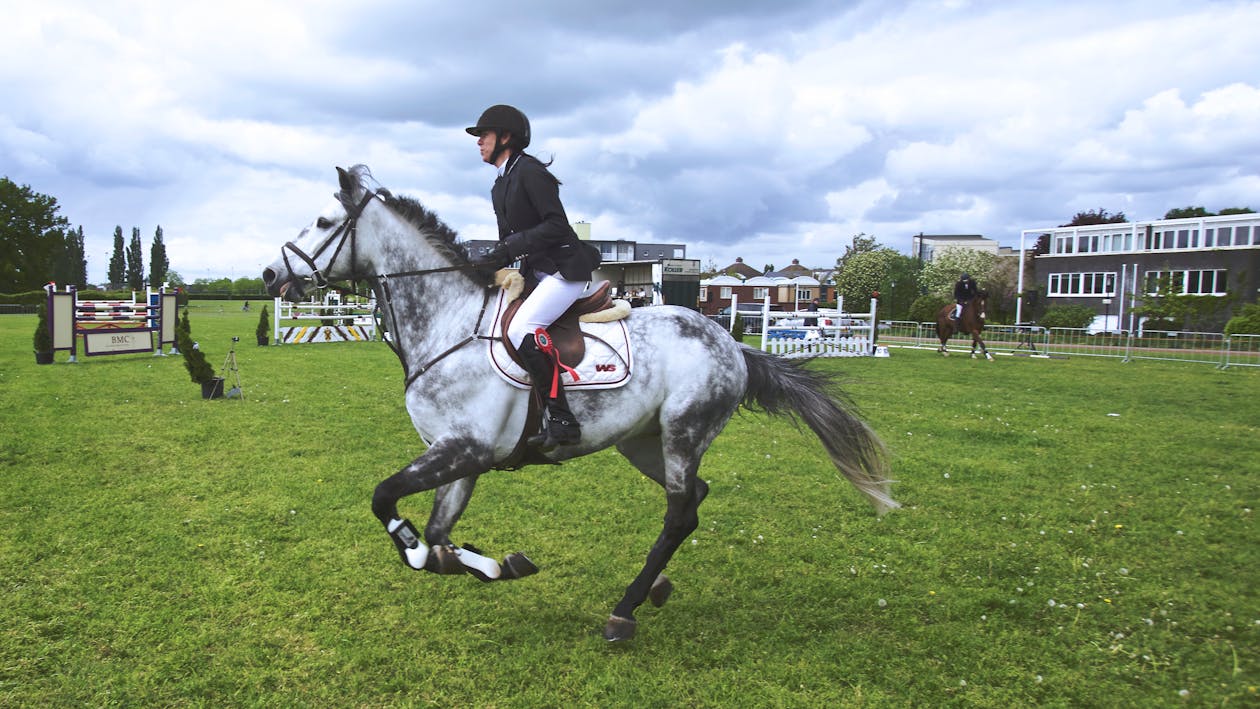
Wearing a protective boot or a heavy shoe with a heel is recommended in addition to wearing a proper helmet. Shoes with flat soles put the wearer at greater danger of having their foot get caught up in a stirrup.
Tip 3
Use your safety vests if you have them.
Tip 4
Inform parents that long pants are the ideal clothing during the warmer months. A youngster's naked legs rubbing against the leather of a saddle will be far less pleasant than shorts, which may keep their child cooler.
Other fundamental guidelines should be as follows:
Tip 5
For younger children, indoor sounds should be used rather than loud outdoor noises.
Tip 6
Use light, gentle strokes to pet the horse rather than patting it. Explain how rapid movements might cause horses to startle.
Tip 7
Explain how to maneuver around a horse by staying at least two arm's lengths away from its haunches and tail. If there are smaller children there, accompany them while explaining the distance.
Tip 8
To demonstrate how to lead properly, leave the lead line slack and let the horse to bear his head naturally.
Tip 9
Both little hands and adult hands instinctively seek for the horse's mouth and head. Teach novice riders the proper hand position. If you let visitors give your horses treats, instruct them to use their palms rather than their fingers by showing them how to keep their hand flat.
Tip 10
Explain that you handle, lead, and saddle the horse while standing on its left side.
Tip 11
Mention caressing and conversing with the horse as you move around his front end.
Tip 12
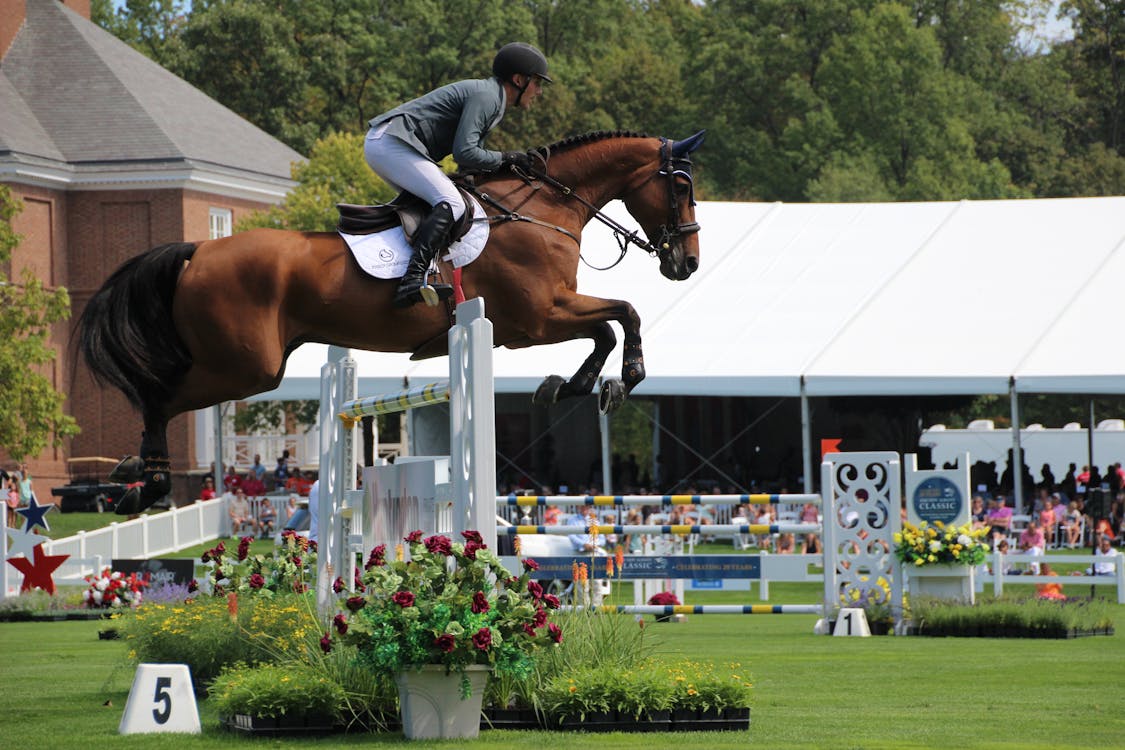
Use a lead rope or lounge line with the horse after you've groomed and saddled him. In addition to utilizing the lead rope or lounge line, the ideal situation would be to have a small pasture or round pen in which to ride. The novice rider will feel more secure as a result, which will help them unwind.
Remember what it was like to ride for the first time. From the ground, it appears to be extraordinarily high, unstable, and nearly precarious. There doesn't seem to be anything to hold onto, and you feel like you've lost control. Consider these ideas, and you'll see why a brief, well-guided experience is preferable to a protracted, uncontrolled one.
Tip 13
Show how to groom the horse by first using a curry-comb and then a brush. Teach them to follow the horse's hair's direction. Additionally, describe the "ticklish places" and regions that require delicate stroking.
Tip 14
A horse that is not a peaceful packer should never be ridden by a novice rider. Tell older (or younger) riders "no" if the horse is too lively yet they want to ride because they enjoy the way it looks. A little disappointment is preferable to the results of an accident.
Tip 15
Never ever wrap a hand or an arm around the lead rope. Smaller children may struggle with a lengthy lead rope; in that case, either get them a shorter one or assist them in holding the horse.
Tip 16
Make sure your insurance will cover any accidents due to liability concerns. The majority of us believe that this problem would never arise, yet many incidents can result in more than anybody could have imagined.
Tip 17
When considering letting someone ride your horses, give the gift of compassion. Make sure it's an enjoyable, safe, and educational experience. We all have our passions, after all, since we once genuinely liked a horseback ride. Send it on!
Tip 18
Speak with your insurance provider, who are the industry authorities, and get their opinion before allowing others to ride. It is worthwhile.
Tip 19: Check your state's equestrian responsibility rules as well. While some states need that signs be placed throughout a facility, others want that waivers be in writing. Some call for both. To safeguard you, your horses, all riders, and onlookers, be careful to adhere to any regulations set down by your state.
Tip 20
Ensure that any riders under the age of 18 have their parents' permission to ride in person. Make sure all senior riders are aware that accidents might occur and that they won't hold you responsible.
Tip 21
Don't loose hope and patience. Horse riding takes time and patience. In order to avoid any risk, use proper accessories. Be regular and understand the language of the horse.


Comments
Post a Comment