Russian Arabian Horse - Characteristics, History and Sale
Russian Arabian Horse, its characteristics, history and sale grow interests to many.
Arabian horses have long been admired in Russia by royalty in the past, and there are some parallels between Polish and Russian beginnings.
 |
| source |
Russian Arabian Horse - History
With the rise of light equestrians, the capability and agility of horses with Arabian blood provides a tremendous military benefit to any army they possess. As a result, many European monarchies began to support large-scale trading companies that outnumbered Arabs in local stocks, for example the Imperial Russian study of the Nazis, the second post King Zygmunt, and the other by Peter the Great.
European horse breeders also acquired Arabian stock directly from the desert or through trade with the Ottomans. In Russia, Count Alexi Orlov received a number of Arabs, including Arabian Stallion Smetanka, who became the founder of the Orlov Trotter. Orlov then supplied the Arabian horse to Catherine the Great, who in 1772 owned 12 authentic Arabian stallions and 10 mares. By 1889, two members of the Russian Revolution, Count Stroganov and Prince Nikolai Borisovich Tschirbatov, established the Arabian Stud Farm to meet the constant need for Arabian ancestry as a source of pure bloodstock.
During the First World War, the Russian Revolution and the fall of the Ottoman Empire many European stud firms were lost; In Poland, the Antonini and Slavata studs were eliminated with the exception of five mares. Notable among the survivors is the Janau Podolsky Study. The Russian Revolution, combined with the effects of World War I, destroyed most of Russia's reproductive programs, but by 12 the Soviet government had re-established the Arabs, a Turkish program in place of the former Stroganov estate, which included Polish as well as some crabbeted warfare from England to Crabbetan Stud. The programs that exist Re-establishing the breeding of Arabian horses in the desert, and some of them imported from the Middle East added a new Stade. Not all European studies have recovered. The German well-established German king, Wilhelm, was reduced considerably; After the Welsh pal was transferred to the Marbach State Study in 5, only 17 of the 17 purebred Arabs remained.
European horse breeders also acquired Arabian stock directly from the desert or through trade with the Ottomans. In Russia, Count Alexi Orlov received a number of Arabs, including Arabian Stallion Smetanka, who became the founder of the Orlov Trotter. Orlov then supplied the Arabian horse to Catherine the Great, who in 1772 owned 12 authentic Arabian stallions and 10 mares. By 1889, two members of the Russian Revolution, Count Stroganov and Prince Nikolai Borisovich Tschirbatov, established the Arabian Stud Farm to meet the constant need for Arabian ancestry as a source of pure bloodstock.
During the First World War, the Russian Revolution and the fall of the Ottoman Empire many European stud firms were lost; In Poland, the Antonini and Slavata studs were eliminated with the exception of five mares. Notable among the survivors is the Janau Podolsky Study. The Russian Revolution, combined with the effects of World War I, destroyed most of Russia's reproductive programs, but by 12 the Soviet government had re-established the Arabs, a Turkish program in place of the former Stroganov estate, which included Polish as well as some crabbeted warfare from England to Crabbetan Stud. The programs that exist Re-establishing the breeding of Arabian horses in the desert, and some of them imported from the Middle East added a new Stade. Not all European studies have recovered. The German well-established German king, Wilhelm, was reduced considerably; After the Welsh pal was transferred to the Marbach State Study in 5, only 17 of the 17 purebred Arabs remained.
Russian Arabian Horse - Characteristics
Colors
The common as well as Russian Arabian Horse have coat bay, gray, chestnut, black and rowan clolor in common. The most common are bay, gray and chestnut; Black is less common. The classic Rowan Jean does not appear to be among the Arabs; Rather, Arabs registered as "royans" by the breeders usually publish the Sabino patterns featuring the Rabicon or sometimes the Rhone. All Arabs, whatever their color, have black skin beneath the white mark. The benefits of Black skin is to protect from the intense desert sun.
The mood
A dark horse was grabbing the head and pointing to the camera, and the legs are two in front.
The Arabs are known for both wit and a passionate disposition
For centuries Arabian horses lived closely with people in the desert. For shelter and protection from theft, valuable battlefields were sometimes kept in their owner's tents, with children and daily family life nearby allowing only horses of a naturally good nature to be reproduced, resulting in a good disposition among Arabs, among other examples. Equestrian feder of the United States of America Almost all the children staliyana twisted rules that allows you to view one of the few species that are restricted as raidaradera under the age of 18 classes, including the show ring.
Arabs, on the other hand, are also classified as "warm-blooded" breeds, one of which is breeding horses, such as Akhal-Tech, Barb and Thurberd.
The Arabs are known for both wit and a passionate disposition
For centuries Arabian horses lived closely with people in the desert. For shelter and protection from theft, valuable battlefields were sometimes kept in their owner's tents, with children and daily family life nearby allowing only horses of a naturally good nature to be reproduced, resulting in a good disposition among Arabs, among other examples. Equestrian feder of the United States of America Almost all the children staliyana twisted rules that allows you to view one of the few species that are restricted as raidaradera under the age of 18 classes, including the show ring.
Arabs, on the other hand, are also classified as "warm-blooded" breeds, one of which is breeding horses, such as Akhal-Tech, Barb and Thurberd.
Volume
The standard of descent described by the Equestrian Federation in the United States describes the Arabs as being "occasionally or less" 14.1 to 15.1 cubits (57 to 61 inches, 145 to 155 cm) tall. "So, all Arabs, regardless of height," Horse ", although 14.2 cubits (58 inches, 147 cm) is the height of a traditional tiger cut-off between a horse and a pony.
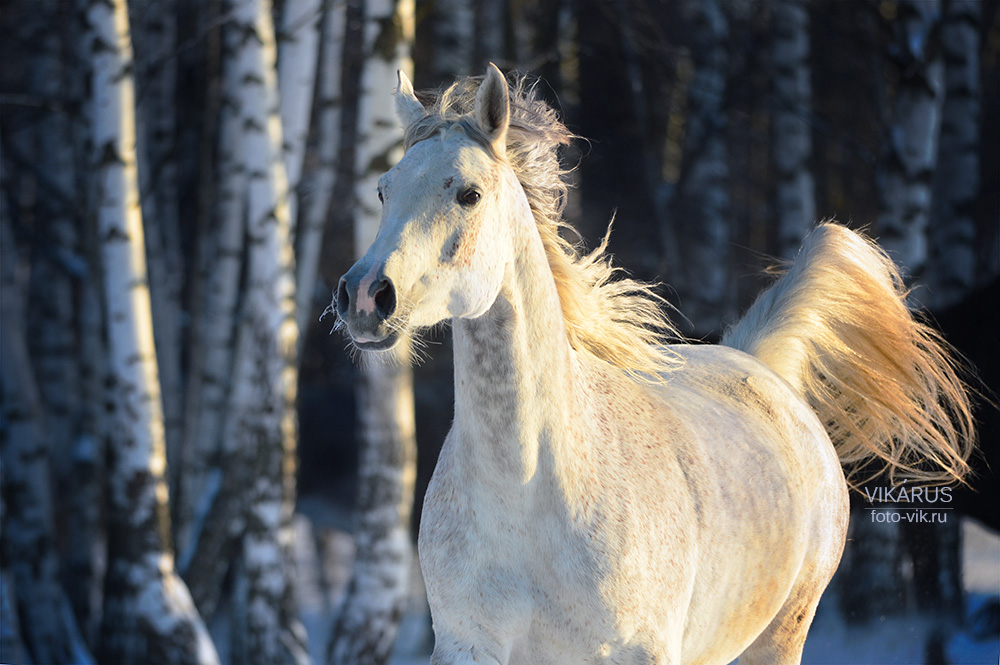
Russian Arabian horses have refined, fork-shaped heads, a wide forehead, big eyes, big nose nose and small riddles. Most show a distinct concave or "diced" profile. Many Arabs also have a slight bald forehead in their eyes, called Zibah by Bedouin, which adds extra sinus power, believed to have helped the original Arabian horse to weather its dry desert. Another breed feature is an arched neck with a great, well-set windpipe set over a dry, clean neck calf.
Other distinctive features are the relatively long, level cruise, or top of the veil and the naturally higher tail car. The USEF breed standard requires Russian Arabian hard bones and standard correct equine conformation.
Russian Arabian horses have refined, fork-shaped heads, a wide forehead, big eyes, big nose nose and small riddles. Most show a distinct concave or "diced" profile. Many Arabs also have a slight bald forehead in their eyes, called Zibah by Bedouin, which adds extra sinus power, believed to have helped the original Arabian horse to weather its dry desert. Another breed feature is an arched neck with a great, well-set windpipe set over a dry, clean neck calf.
Other distinctive features are the relatively long, level cruise, or top of the veil and the naturally higher tail car. The USEF breed standard requires Russian Arabian hard bones and standard correct equine conformation.
 |
| source |
Russian Arabian Horse - Sale
$1000-$6000
Hope this article on Russian Arabian Horse, its characteristics, history and sale was interesting to you.


Comments
Post a Comment